15 ingredients hiding in your everyday products. What they actually are, what the research says, what to swap first. Plus the AI prompts I use to research anything in about 30 seconds.
I got into this because of Whole30. Was reading food labels obsessively and somehow ended up reading my skincare labels the same way. Found out "organic" on a personal care product means legally nothing. That was 2016 and I haven't been able to stop reading labels since.
What's in here isn't meant to scare you into throwing everything away. It's meant to give you actual information so you can make your own decisions. Some of this you'll want to swap immediately. Some of it you'll decide is fine for your situation.
Start with whatever you put on your face first thing in the morning. That's where it matters most.
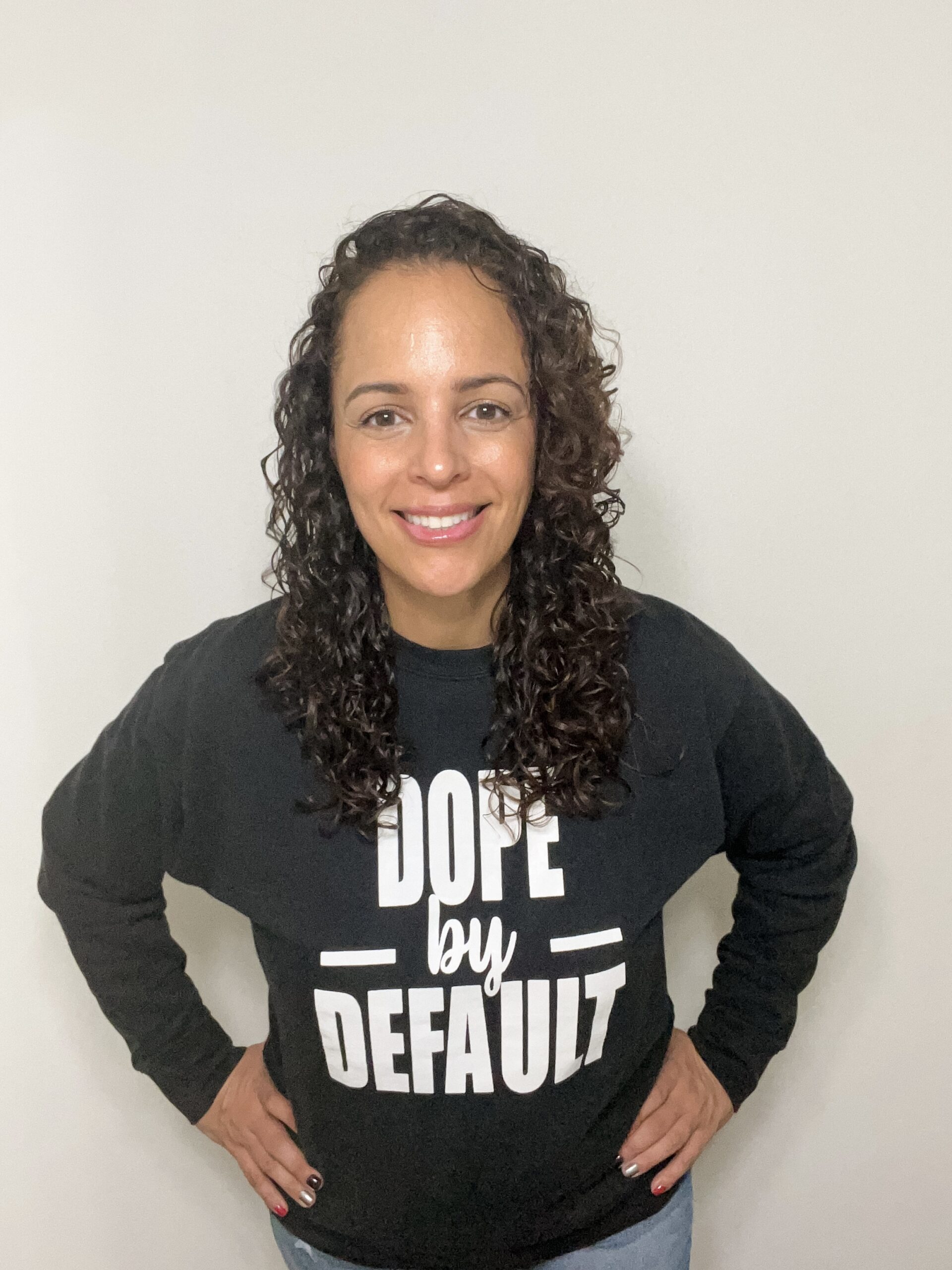
Tara
0
Ingredients banned in EU cosmetics
0
Ingredients banned in US cosmetics
0
Unique chemicals the average woman applies daily
THE NUMBER THAT SHOULD BOTHER YOU
2,400 vs. 11.
The EU has banned or restricted over 2,400 chemicals in cosmetics. The US has banned 11. The same foundation, the same shampoo, the same sunscreen. Reformulated for EU markets to remove ingredients that don't pass their safety standards, then sold as-is in the US.
This is public information. The EU Cosmetics Regulation lists every banned substance. The FDA hasn't significantly updated its prohibited ingredient list since 1938. Franklin Roosevelt was president.
The FDA has not enacted major federal legislation governing cosmetics safety since 1938.
ENVIRONMENTAL WORKING GROUP, SKIN DEEP DATABASE
Not a typo. The law governing what can go in your moisturizer hasn't been significantly updated since before color television existed.
The EU banned formaldehyde-releasing preservatives from leave-on cosmetics in 2023. The US still allows them in products you leave on your skin all day.
THE LIST
15 ingredients worth knowing about
Tap any ingredient below to jump straight to it. Tap the circle on each card to check it off your list. Progress saves as you go.
One word that legally hides a mixture of up to 3,000 undisclosed chemicals. Companies claim trade secret protection. The EU requires fragrance allergens to be disclosed individually. The US does not. Fragrance is the most common cause of cosmetic allergic reactions and one of the biggest hidden exposures in personal care.
This is the one I look for first. I'll be real, I've probably still got something in my bathroom with fragrance in it. But I check now. If it's in the first five ingredients I at least know what I'm dealing with. Also, fragrance-free is not the same as unscented. "Unscented" products often use masking fragrances to cover the chemical smell. Which is a very fun fact to learn after you've been buying "unscented" everything for years.
EU EU requires individual disclosure of 26 fragrance allergens
Preservatives that extend shelf life. They mimic estrogen in the body, technically called endocrine disruptors. Research is ongoing but parabens have been detected in breast tissue and urine. The concern isn't any single product. It's cumulative daily exposure across everything you use.
FOUND IN
MoisturizersShampooFoundationSunscreenMakeup
The EU banned certain parabens specifically for children under 3. So they decided it was too risky for babies but fine for everyone else. Draw your own conclusions about how that math works.
EU EU banned certain parabens in children's products
03
Oxybenzone
benzophenone-3
HIGH CONCERN
A chemical UV filter found in conventional sunscreen. The FDA confirmed in 2019 that it absorbs into the bloodstream. It's been found in breast milk. Hawaii banned it in 2018 because it causes coral reef bleaching. The state of Hawaii decided it was too risky for coral. Worth thinking about what that means for skin.
FOUND IN
SunscreenTinted moisturizer with SPFLip balm with SPFFoundation with SPF
Check the SPF in your sunscreen, your tinted moisturizer, your lip balm. Look for zinc oxide on the label instead. It sits on top of skin rather than absorbing in. That's the swap worth making.
EU EU restricts concentration limits. Hawaii banned entirely in 2018.
04
Sodium Lauryl Sulfate
SLS, sodium laureth sulfate (SLES)
MODERATE CONCERN
A surfactant that creates lather in cleansers and shampoos. It's effective at cleaning but strips natural oils and can irritate the skin barrier. Repeated exposure can increase skin permeability, meaning other ingredients absorb more easily after SLS breaks things down. Not the most alarming ingredient on this list but worth knowing if you have reactive skin.
FOUND IN
Face washShampooBody washToothpaste
Most cleansers that call themselves "gentle" still have SLS because it's what creates the foam. Gentle and foamy are kind of at odds with each other. If your skin is reactive this is a good first thing to check.
Preservatives that slowly release formaldehyde over time to prevent bacteria growth. Formaldehyde is a known human carcinogen, classified as Group 1 by the International Agency for Research on Cancer. The amounts released are small, but this is a daily use product situation where cumulative exposure matters.
These are in baby shampoos. Not some baby shampoos. Baby shampoos. The EU banned them from leave-on products in 2023. The US has not. If you want one single example that explains the entire regulatory gap problem, this is it.
EU Banned in leave-on cosmetics in EU as of 2023
06
Phthalates
DBP, DEHP, DEP, often hidden under "fragrance"
HIGH CONCERN
Plasticizers used to make products flexible and help fragrance last longer. They're endocrine disruptors linked to hormone disruption and reproductive issues. They're frequently hidden inside "fragrance" on ingredient labels, which is another reason fragrance is the ingredient worth flagging first.
FOUND IN
Nail polishHair sprayAnything with "fragrance"
EU Several phthalates banned in EU cosmetics. Not banned in the US.
07
Retinyl Palmitate
vitamin A palmitate, different from retinol
MODERATE CONCERN
A form of vitamin A added to sunscreens and anti-aging products. When exposed to sunlight it may speed the development of skin lesions, flagged in animal studies by the National Toxicology Program. The fact that it appears in sunscreens specifically is what makes it worth knowing. Evidence in humans isn't conclusive but the NTP flagged it in 2012 and the FDA still hasn't issued guidance.
FOUND IN
SunscreenAnti-aging productsMoisturizersLip balm
Retinol used at night is different from retinyl palmitate in a product you wear in the sun. Worth knowing the difference before you assume your SPF is also anti-aging you safely.
08
Triclosan
sometimes listed as microban
HIGH CONCERN
An antibacterial agent the FDA banned from hand soaps in 2016 after manufacturers couldn't prove it was safe or more effective than plain soap and water. It disrupts thyroid hormone function and contributes to antibiotic resistance. The FDA banned it from soap. Then left it in toothpaste. Make that make sense.
FOUND IN
Some toothpastesAntibacterial products
EU Banned in EU cosmetics. FDA banned from soap in 2016 but not toothpaste.
Synthetic antioxidants used as preservatives. BHA is classified as a possible human carcinogen by the International Agency for Research on Cancer. BHT can act as an endocrine disruptor. Both accumulate in body tissue. They also show up in packaged food, listed on cereal boxes. Same ingredient, two different industries, same question about cumulative exposure.
FOUND IN
MoisturizersLipstickDiaper creamsPackaged food
Same ingredient in your cereal and your moisturizer. Two different industries. Zero coordination on what a safe level of exposure looks like across both. File that one away.
EU BHA classified as endocrine disruptor in EU. Restricted in certain products.
10
Coal Tar Dyes
FD&C colors, p-phenylenediamine, CI followed by a number
HIGH CONCERN
A byproduct of coal processing used in hair dyes and some dandruff shampoos. It's a known human carcinogen. The EU has banned most coal tar hair dyes. The US allows them with a warning label. That warning label says the product contains an ingredient that can penetrate your skin and has been found to cause cancer in laboratory animals. And they still sell it.
FOUND IN
Dandruff shampooHair dyePsoriasis treatments
A product with a warning label that says it causes cancer in animals is still legal to sell in the US. The EU banned most of these.
EU Most coal tar dyes banned in EU cosmetics
11
Hydroquinone
skin lightening / brightening agent
HIGH CONCERN
A skin lightening agent used for hyperpigmentation. It's been linked to ochronosis (permanent skin darkening) with long-term use. The EU banned it from cosmetics in 2000. The FDA has been considering a ban for over two decades and still hasn't finalized one. It's still available over the counter in the US right now.
EU Banned in EU cosmetics since 2000. Still available OTC in the US.
12
Polyethylene Glycols (PEGs)
PEG followed by a number, PEG-100, PEG-40, etc.
MODERATE CONCERN
Petroleum-derived compounds used as thickeners and moisture carriers. PEGs can be contaminated with 1,4-dioxane (a probable human carcinogen) during manufacturing. The contamination isn't listed on labels because it's a byproduct not an ingredient. The FDA can ask companies to test for it but doesn't require it. So it may or may not be in there and you'd have no way to know.
FOUND IN
ShampooConditionerCream cleansersMoisturizers
A probable carcinogen that doesn't appear on any label because it's a byproduct not an ingredient. You can't look for it. You can't avoid it by reading carefully. You just have to know it might be there and decide what to do with that information. Truly fun stuff.
13
Talc
talcum powder, cosmetic talc
MODERATE CONCERN
A mineral used in powders, eyeshadow, and blush. The concern is asbestos contamination (it naturally occurs near talc deposits). Johnson and Johnson paid out billions in lawsuits related to asbestos-contaminated talc in baby powder. FDA testing found asbestos in cosmetic products as recently as 2019. Pre-market safety testing for cosmetics is not required by the FDA.
A probable human carcinogen that doesn't appear on any ingredient label because it's a manufacturing byproduct, not an added ingredient. It shows up in products containing ethoxylated ingredients, anything with "eth" in the name like sodium laureth sulfate, PEG compounds, or ingredients ending in -eth. The EPA classifies it as a likely human carcinogen. New York became the first state to ban it in personal care products in 2023.
FOUND AS BYPRODUCT IN
Products with SLESPEG ingredientsAnything ending in -ethBaby wash
You can't see it on the label. You can't look for it. The FDA is "monitoring the situation." New York got tired of waiting and banned it in 2023. The rest of the country is still in the monitoring phase.
US New York banned 1,4-dioxane in personal care products in 2023
The active ingredient in antiperspirants. They block sweat glands to prevent sweating. Applied daily to an area close to lymph nodes. Research on the link to breast cancer has been inconclusive but the proximity to lymph nodes combined with daily application is why it keeps coming up. The concern isn't acute. It's long-term cumulative exposure in a sensitive area.
FOUND IN
AntiperspirantsSome deodorants
Deodorant manages odor. Antiperspirant blocks sweat entirely using aluminum. Know which one you're reaching for every morning and decide if you're comfortable with that. Nobody is going to make this decision for you.
THE WORDS THAT MEAN NOTHING LEGALLY
Greenwashing decoded
Quick transparency moment. I use the word "clean" on my own website. Counter, the brand I recommend, uses it too. It's become shorthand that people understand. But technically it means nothing legally, which is the whole problem.
Here are the words to be skeptical of when a brand uses them, including the ones I use:
?
Clean / Clean Beauty
No legal definition. Industry shorthand for "formulated without certain concerning ingredients", but which ingredients varies by brand. Worth asking what specifically they skip.
X
Natural
No legal definition. Arsenic is natural. Lead is natural. Any brand can put this on any product regardless of what's actually in it.
X
Non-toxic
No legal definition in personal care. No third-party verification required. One of the most meaningless words on a label.
X
Hypoallergenic
No legal definition. The FDA tried to regulate this term in the 1970s and lost in court. Brands can use it however they want.
X
Organic (on skincare)
USDA organic applies to food. For personal care it's largely unregulated. A product can contain one organic ingredient and call the whole thing organic.
X
Dermatologist tested
Means a dermatologist tested it. Doesn't mean they approved it or found it safe. Results of that test don't have to be disclosed.
Words that actually mean something because they require third-party verification: EWG Verified, MADE SAFE Certified, Leaping Bunny, NSF/ANSI 305. These have actual standards behind them.
QUICK AUDIT
What's your exposure score?
Pick up three products from your bathroom right now. Count how many of these 15 ingredients appear across all three. That number is your starting point. Not a judgment, just information.
0–3
Already doing the work or got lucky with your products.
4–8
Average. A few targeted swaps would make a real difference.
9+
High exposure. Start with your face products. That's where it matters most.
PRIORITY ORDER
Where to start swapping
Don't throw everything away. When something runs out, replace it with a cleaner version. Start with what goes on your face. Highest daily exposure, highest priority.
🥇 Face cleanser
→
Highest priority. Daily use, directly on your face.
🥇 Sunscreen / SPF
→
Switch to mineral SPF with zinc oxide only.
🥇 Moisturizer
→
Goes on every day, stays on skin all day.
🥈 Deodorant
→
Applied near lymph nodes daily. Aluminum is the one to check.
🥈 Shampoo
→
SLS, fragrance, formaldehyde releasers are common here.
🥉 Body wash
→
Lower priority. Swap when it runs out.
🥉 Makeup
→
Foundation first. Covers most surface area longest.
THE SHORTCUT
How to use AI to research ingredients
These are the exact prompts I use. Tap COPY to grab the text, or tap TRY IN CHATGPT to copy the prompt and open ChatGPT in one tap. Paste and go. Free versions work fine.
Here are the ingredients in my [moisturizer / shampoo / sunscreen, pick one]: [paste full ingredient list]. Which ones appear in EWG Skin Deep with a concern rating of 4 or higher? For each flagged ingredient tell me what it is, why it's flagged, and what the concern level actually means in plain language.
Asking it to reference EWG specifically grounds the answer in real data. Asking for plain language means you get something you can actually understand.
I want to replace my [product type]. The main ingredients I want to avoid are [list 2-3 from above]. My skin is [your skin type]. Tell me what ingredients to look FOR on a label, not specific brands, so I can evaluate any product myself.
This teaches you to evaluate anything rather than depending on one recommendation.
Explain what [ingredient name] does in the body in plain language. Is the concern backed by solid research, still being studied, or mostly hype? Give me the real take, not a watered-down both-sides answer. Tell me what you'd actually tell a friend.
Telling it what you don't want is how you get a real answer. "Tell me what you'd tell a friend" works like magic.
That answer was too general. Be more specific about [the part that was vague]. Give me a concrete example of what this looks like in an actual product I might own.
AI will play it safe if you let it. Asking for specifics forces a real answer.
SCREENSHOT THIS
The quick reference card
Ingredients to check for on any label
✕ Fragrance / Parfum
✕ Parabens (any -paraben)
✕ Oxybenzone
✕ SLS / SLES
✕ DMDM Hydantoin
✕ Quaternium-15
✕ Phthalates (DBP, DEHP)
✕ Retinyl Palmitate (in SPF)
✕ Triclosan
✕ BHA / BHT
✕ Coal Tar / FD&C colors
✕ Hydroquinone
✕ PEG compounds
✕ Talc (in powder)
✕ Aluminum (in antiperspirant)
Free tools worth bookmarking:EWG Skin Deep, search any product or ingredient for a safety rating. Think Dirty app, scan barcodes for instant ratings. Counter's Never List. 2,700+ ingredients they won't formulate with, and why. All free.
THE HONEST PART
What I'm still figuring out
I know what's in Coke Zero. I still drink them sometimes (working on it). I know fragrance is the biggest red flag on a label. I still own products that have it. Knowing this stuff doesn't mean you immediately become a perfect clean beauty person. It means you start making slightly better choices slightly more often. That's the actual goal.
WHERE I LANDED AFTER ALL OF THIS
Counter skips 2,700+ ingredients they won't touch.
Third-party tested. Every formulation decision is explained on the product page. This is where I switched after going down this rabbit hole and my skin changed within a month. If you're looking for somewhere to start it's worth checking out. Their Never List is worth reading. It shows exactly what they won't use and why.
The questions where Google gives you 47 tabs and AI gives you one real answer.
Your next free guide. The wellness questions worth asking AI instead of Google, plus the exact prompts I use so you don't have to figure them out yourself.
COMING SOON
BEHIND THE CURTAIN
The Messy Middle Toolkit
Six AI tools I built for the exact wellness questions I used to spiral on. One login. No upsells. Updates forever.
Label Analyzer
Paste any ingredient list. Get it decoded in 10 seconds.
Food Scanner
What's in it, what it does, what to swap for.
Supplement Auditor
Cut through the fillers and the influencer stacks.
30-Day Check-ins
Track how swaps actually change how you feel.
Ask Tee
The AI trained on everything I've written. Opinion and all.
Mindset Check-in
For when the wellness stuff starts feeling like a job.